ASEAN Pavilion | High-Level Southeast Asia Dialogue
COP31 ANTALYA 2026 | DAY 2
ASEAN Pavilion | High-Level Southeast Asia Dialogue
Scaling Sustainable Forestry for Biodiversity and Nature
Antalya, Türkiye | 10 November 2026
Protecting Forests, Conserving Biodiversity, and Strengthening Climate Resilience
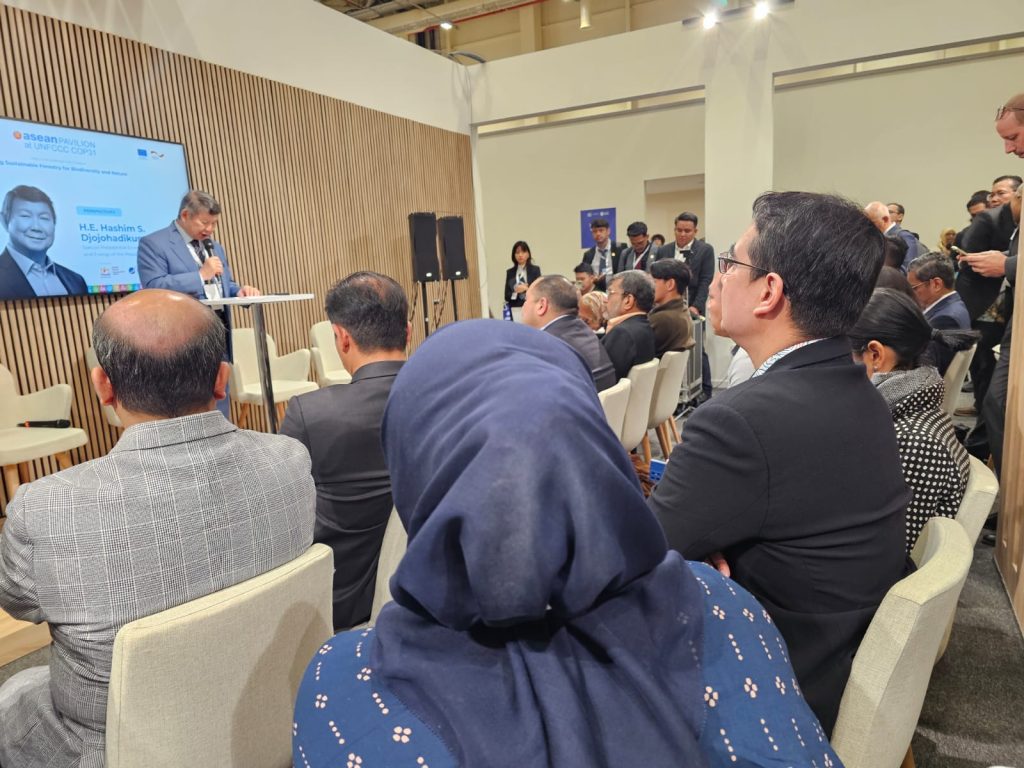
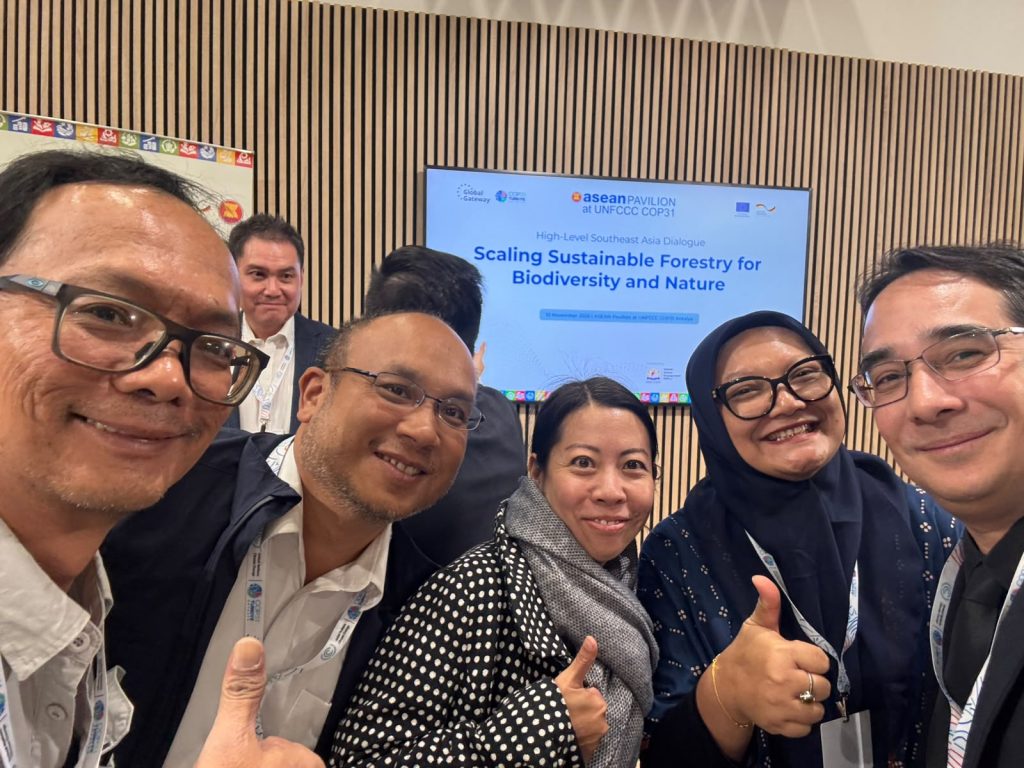
Forests are more than carbon sinks. They are essential to biodiversity conservation, ecological balance, and the livelihoods of millions of people across Southeast Asia. On the second day of COP31 in Antalya, Türkiye, the ASEAN Pavilion hosted the “High-Level Southeast Asia Dialogue: Scaling Sustainable Forestry for Biodiversity and Nature.” The dialogue brought together regional leaders and international experts to discuss sustainable forest management, biodiversity conservation, and stronger regional cooperation in addressing climate change.
The panel featured Aditya Bayunanda, CEO of WWF Indonesia; Smithi Hareanphuech, Chief Nature-Based Solutions Officer at Thailand’s Mae Fah Luang Foundation under Royal Patronage; Shaena Garcia Rangel, Deputy Head of Nature Economy at UNEP-WCMC; and Katrina Borromeo, representing Global Knowledge Management and Communications for Nature and Market-Based Solutions at UN-REDD.
The event also featured Hanif Faisol Nurofiq and Hashim Djojohadikusumo as keynote speakers, highlighting Indonesia’s engagement in regional and international efforts to advance sustainable forestry and climate action. A central message emerging from the dialogue was the importance of translating conservation commitments into meaningful action. Forest protection must go hand in hand with ecosystem restoration, sustainable financing, responsible natural resource management, and the active participation of local communities.
For Indonesia, these priorities are particularly relevant given its extensive tropical forests, mangrove ecosystems, and coastal landscapes. Successful restoration should not be measured solely by the number of trees planted or the area restored, but also by long-term ecological recovery, biodiversity conservation, and tangible economic benefits for local communities.
A Meaningful Recognition of YAKOPI’s Community-Based Approach
One of the most meaningful moments for Yayasan Konservasi Pesisir Indonesia (YAKOPI) came during the panel discussion, when Smithi Hareanphuech of the Mae Fah Luang Foundation shared insights from the Foundation’s learning experience with YAKOPI’s community-based carbon restoration initiatives in Indonesia. She expressed appreciation for the valuable lessons gained during their engagement with YAKOPI several months earlier, particularly in understanding how carbon projects can be implemented through approaches that place local communities at the centre of restoration efforts.
Building on this exchange, the Mae Fah Luang Foundation plans to send its technical team to Indonesia in January 2027 for a study visit to YAKOPI’s restoration projects. A reciprocal knowledge-sharing initiative is also being planned, with YAKOPI’s team expected to visit Thailand to provide practical guidance and technical support for project implementation. This growing collaboration reflects the importance of sharing field-based experience across Southeast Asia, where successful restoration depends not only on technical expertise and carbon financing, but also on trust, community participation, and sustainable local economic opportunities.
For YAKOPI, the discussion reinforced a principle at the heart of its work: carbon-based ecosystem restoration must deliver benefits beyond carbon sequestration. It should also conserve biodiversity, strengthen ecosystem resilience, and create lasting economic opportunities for the communities involved. During the ASEAN Pavilion session, YAKOPI also had the opportunity to introduce community-developed products from its field programmes. These products, produced through local community empowerment initiatives, were served to participants during the panel discussion, offering a tangible example of how environmental restoration can support sustainable livelihoods.
The dialogue highlighted the value of stronger partnerships across Southeast Asia. The future of the region’s forests and coastal ecosystems will depend on collaborative action, supportive policies, sustainable financing, scientific knowledge, and the experience of communities working directly with nature.
For YAKOPI, participation in COP31 is not only about joining the global climate conversation. It is about bringing practical lessons from Indonesia’s coastal communities to the international stage, while building partnerships that can strengthen restoration efforts beyond national borders.
Protecting Biodiversity. Restoring Ecosystems. Empowering Communities. Sharing Knowledge Across Borders.